

A must-visit in the 2026 Year of the Horse! Introducing 9 lucky shrines , featuring sacred horses, horse festivals, and even horseback worship! Super unique~
Hokkaido Nishicha-Jinja Shinto shrine
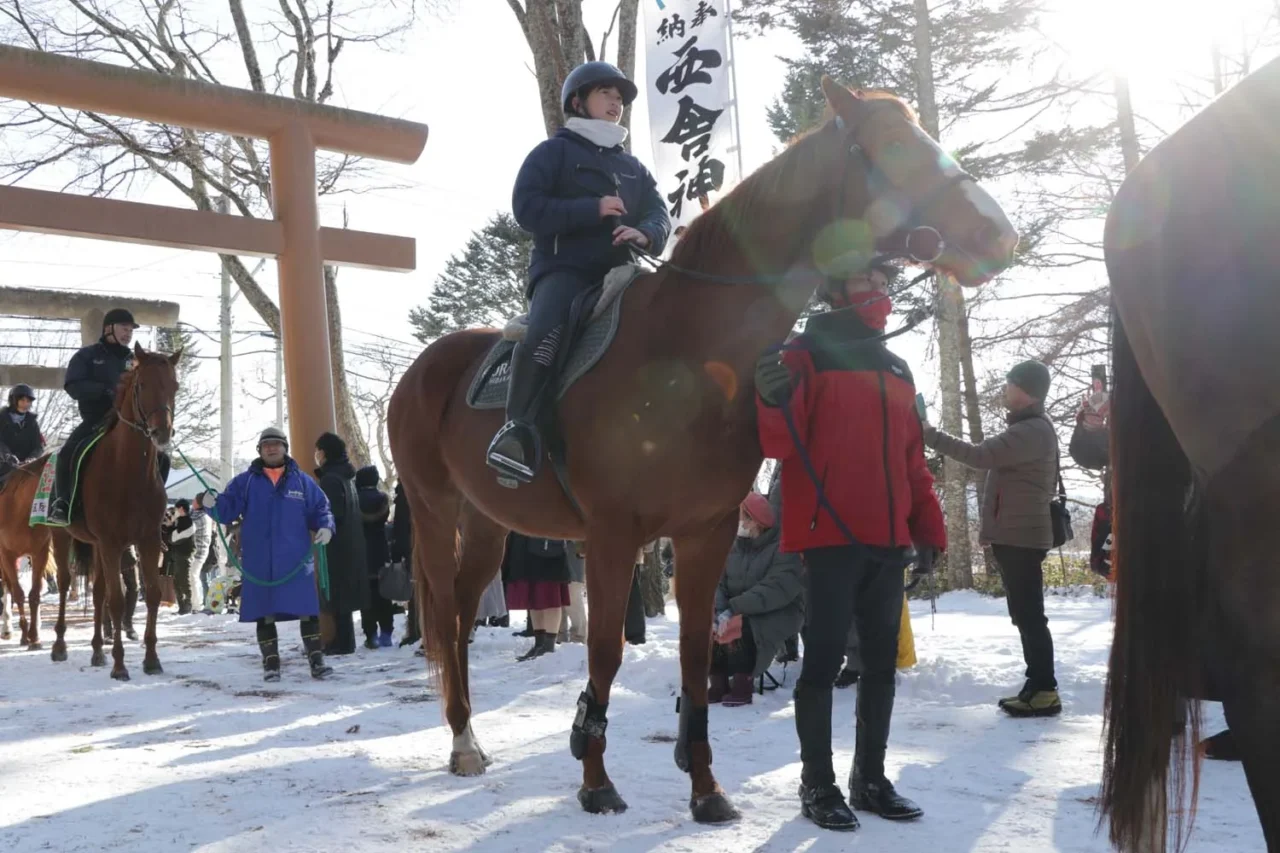
image source:北海道浦河町ナビチャンネル
Super unique! Worshipping on horseback!? Located in one of Japan’s most famous horse-racing regions. Every January, the “Horseback Worship” ritual is held, where staff from the JRA Hidaka Training Farm ride racehorses and ponies to visit the shrine. The grounds also feature horse-themed ema plaques, attracting people from the horse racing and ranching industries to pray for victory and ward off misfortune. It is also beloved by worshippers wishing to form a bond with horses, making it an important symbol of Hidaka’s horse culture.
- Nishicha-Jinja Shinto shrine
- Address: 124 Nishisha, Urakawa Town, Urakawa District, Hokkaido
Fukushima Soma Nakamura Shrine
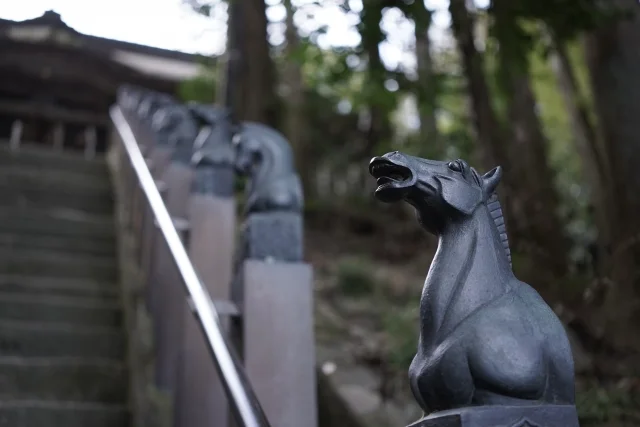
image source:photo AC
This shrine enshrines the guardian deity of the Soma clan and is known as a “sacred place of horses.” Numerous horse statues stand at the shrine entrance. The Soma Nomaoi Festival, held every July, is designated as an Important Intangible Folk Cultural Property of Japan. It features heroic traditions such as battle formations, armored horse racing, and sacred flag battles. About 500 mounted warriors participate, making it one of Japan’s largest horse festivals!
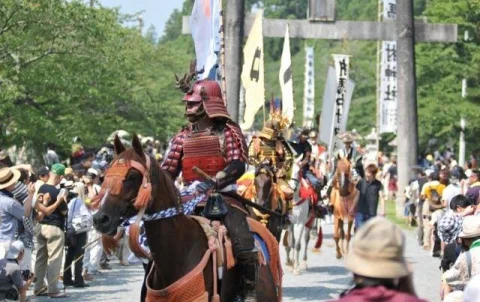
image source:Copyright © 2017 Soma City Tourist Association. All rights reserved.
- Soma Nakamura Shrine
- Address: 140 Nakamura Kitamachi, Soma City, Fukushima Prefecture
Tokyo Kanda Myojin
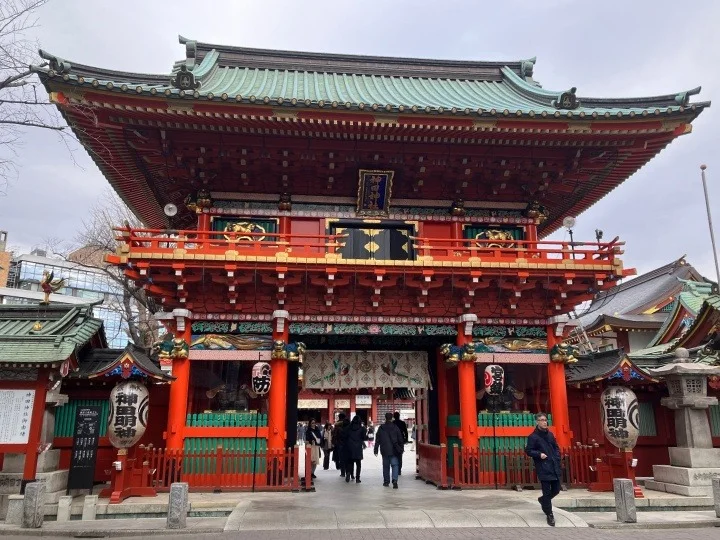
With over 1,300 years of history, this is Edo’s main guardian shrine, famous for prayers for victory. The shrine is home to the popular sacred horse, symbolizing good fortune and protection. Various horse-related omamori are also available, making it especially suitable for praying for success in competition and traffic safety.
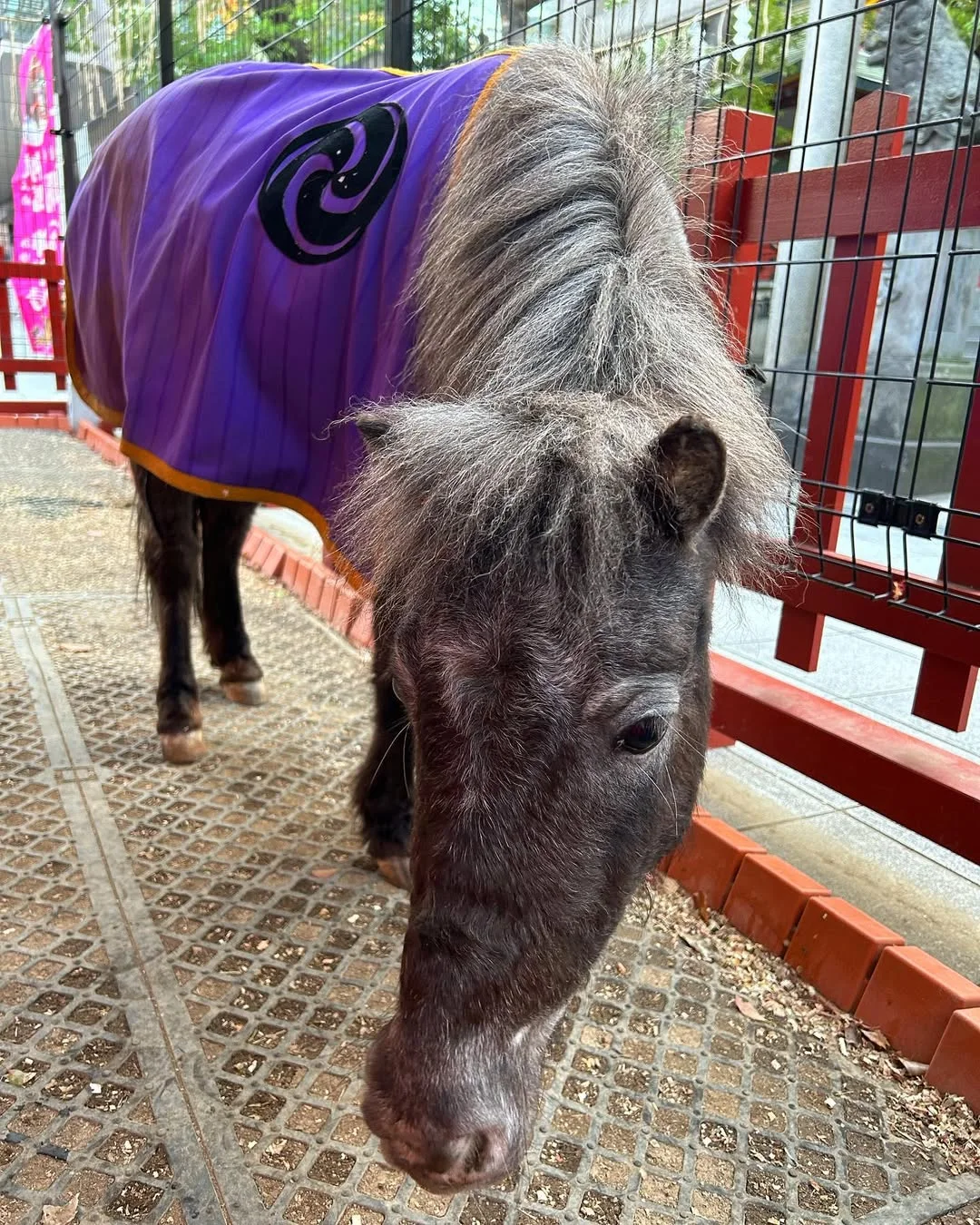
image source:kandamyoujin
- Kanda Myojin
- Address: 2-16-2 Sotokanda, Chiyoda-ku, Tokyo
Tokyo Yasaka Inari Shrine
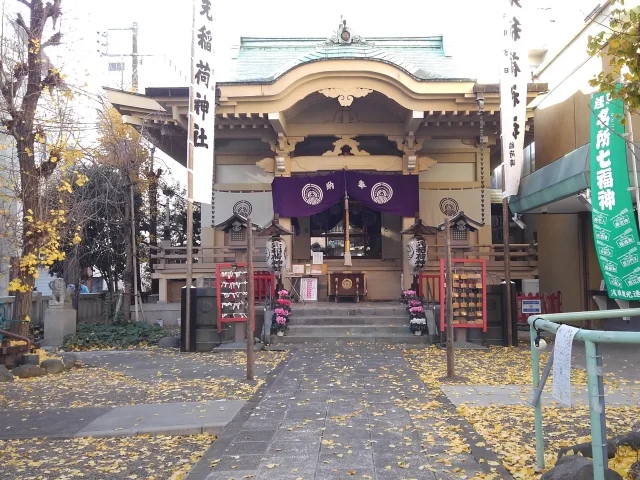
image source:photo AC
Founded in 1642, the coffered ceiling of the worship hall features 100 paintings of horses, depicting the history of Japanese horsemanship from Emperor Jimmu to the present day. Each painting is unique, powerful, and full of dynamic energy. The shrine is also one stop on the Asakusa Seven Lucky Gods pilgrimage, enshrining Fukurokuju, making it well worth a visit.
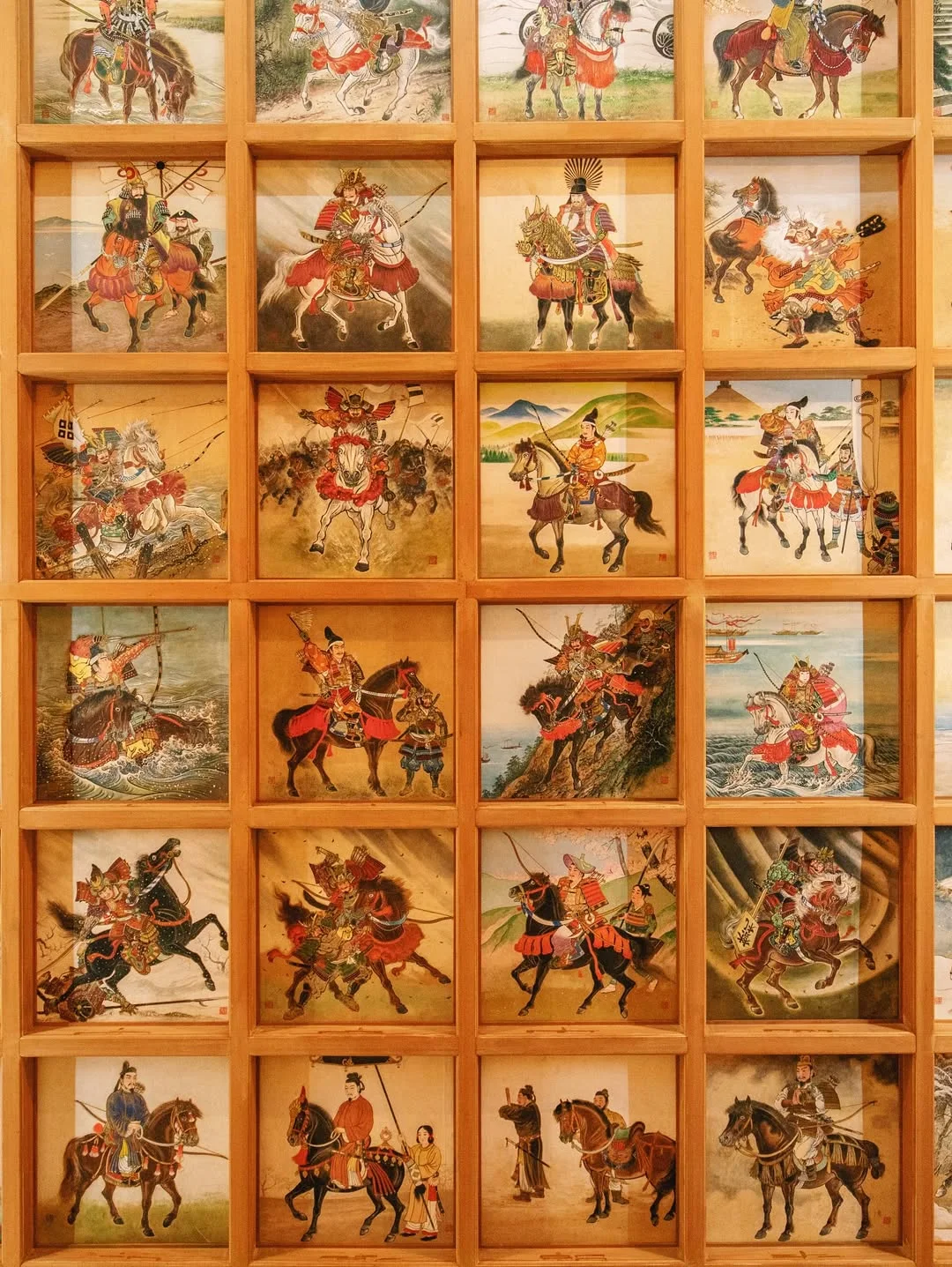
image source: yasaki_inari_jinja
- Yasaka Inari Shrine
- Address: 2-14-1 Matsugaya, Taito-ku, Tokyo
Kyoto Kibune Shrine
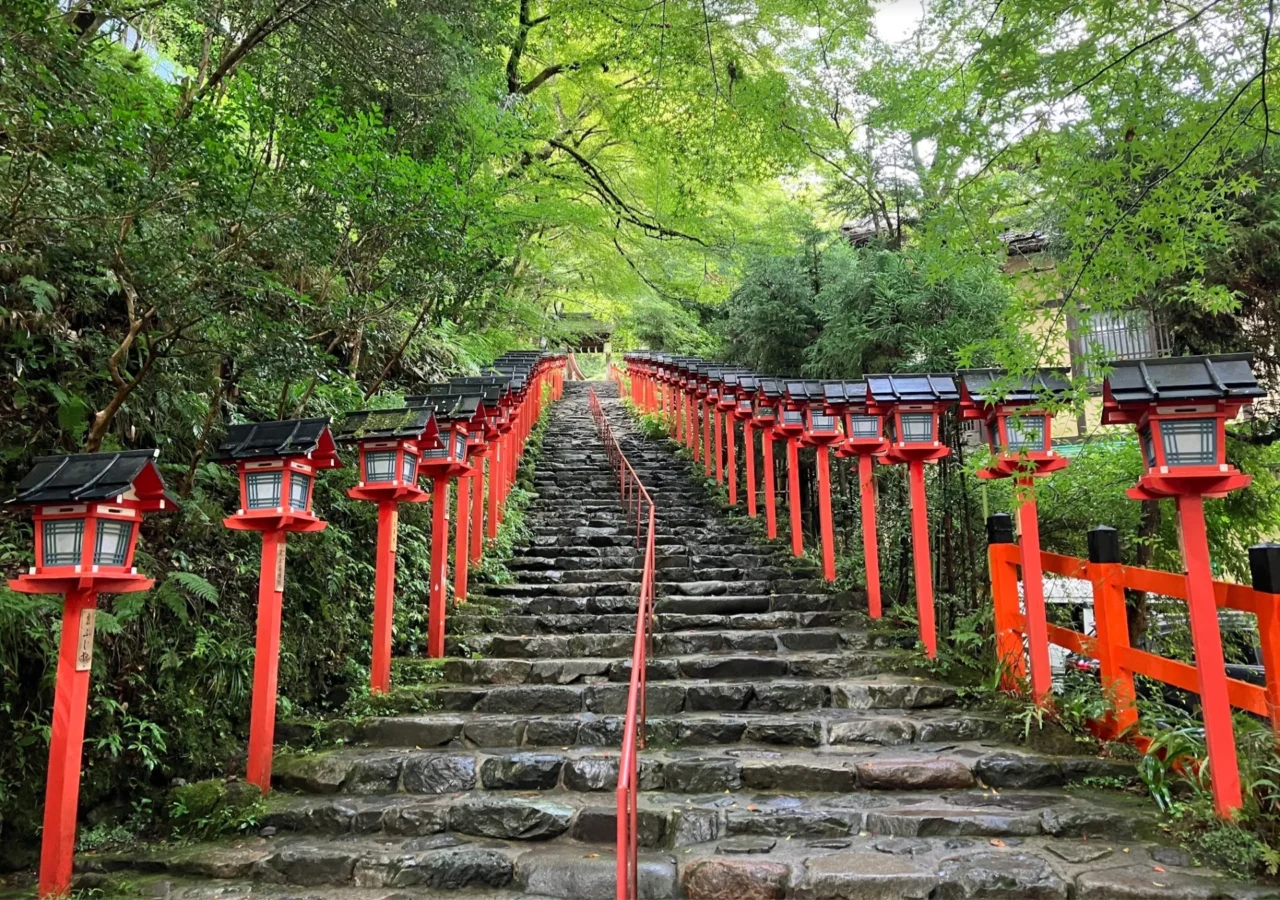
image source:photo AC
An ancient shrine dedicated to the water deity, deeply connected with horses. In the past, black horses were offered when praying for rain, and white horses when praying for clear weather. Later, painted wooden horse plaques replaced live horses, making this shrine regarded as the origin of ema culture. Sacred horse statues stand within the grounds, and worshippers still dedicate ema today to pray for traffic safety and success in competition.
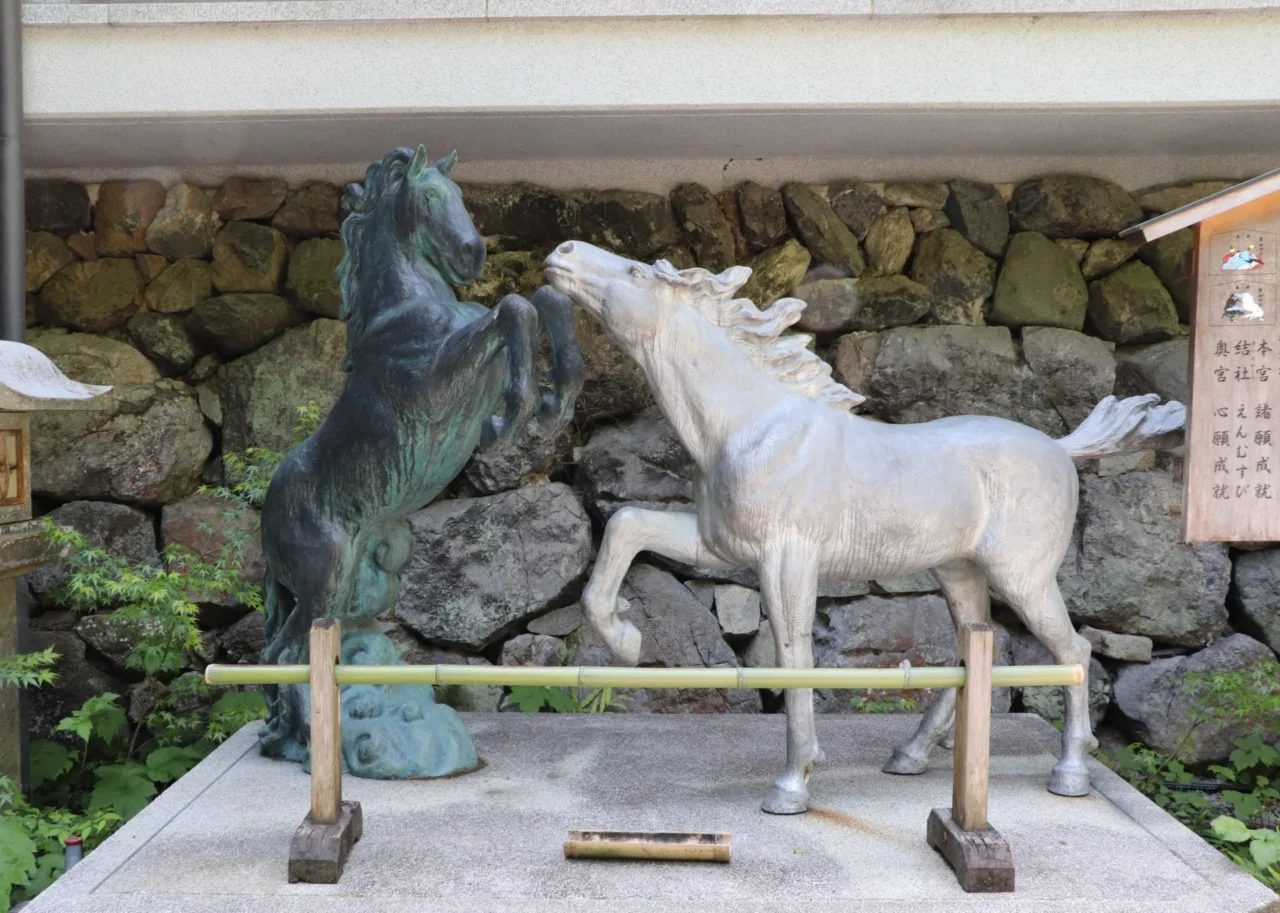
image source:photo AC
- Kibune Shrine
- Address: 180 Kurama Kibune-cho, Sakyo-ku, Kyoto City, Kyoto Prefecture
Kyoto Shimogamo Shrine
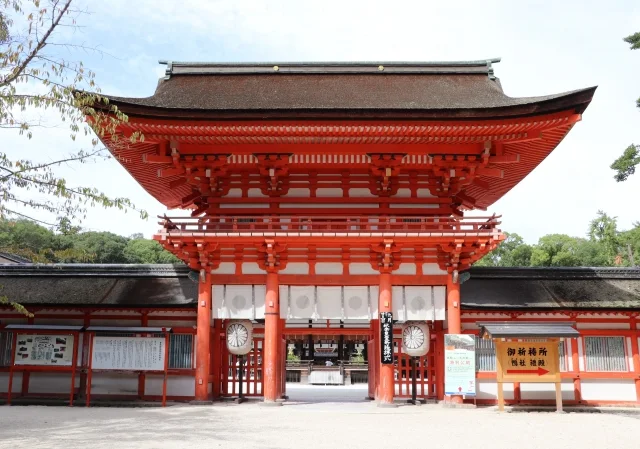
image source:photo AC
One of Kyoto’s oldest shrines, with a deep connection to horse-related rituals. The yabusame ritual held every May features warriors shooting arrows while riding horses, symbolizing the removal of misfortune and the bringing of blessings. Sacred horses also appear in the horse-leading ritual and the Mikage Festival. Horses are regarded as sacred beasts that carry the gods, making this an important shrine to experience their power and elegance.
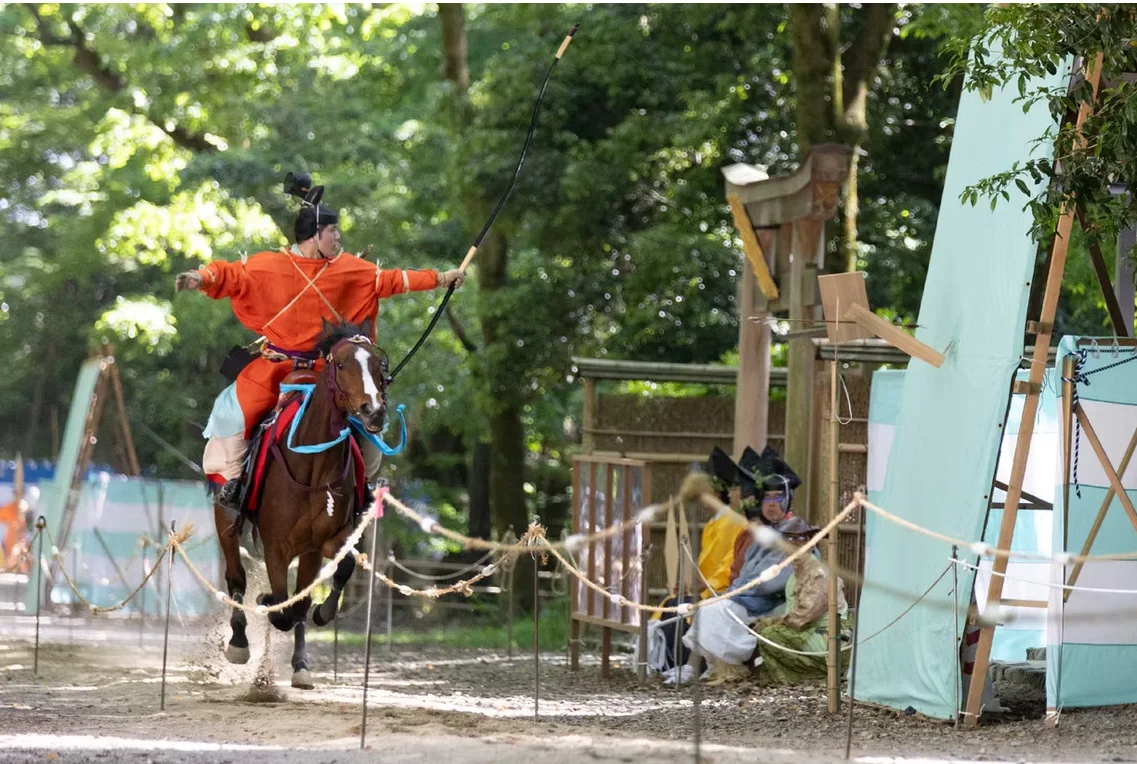
image source:shimogamo-jinja
- Shimogamo Shrine
- Address: 59 Shimogamo Izumikawa-cho, Sakyo-ku, Kyoto City, Kyoto Prefecture
Osaka Sumiyoshi Taisha
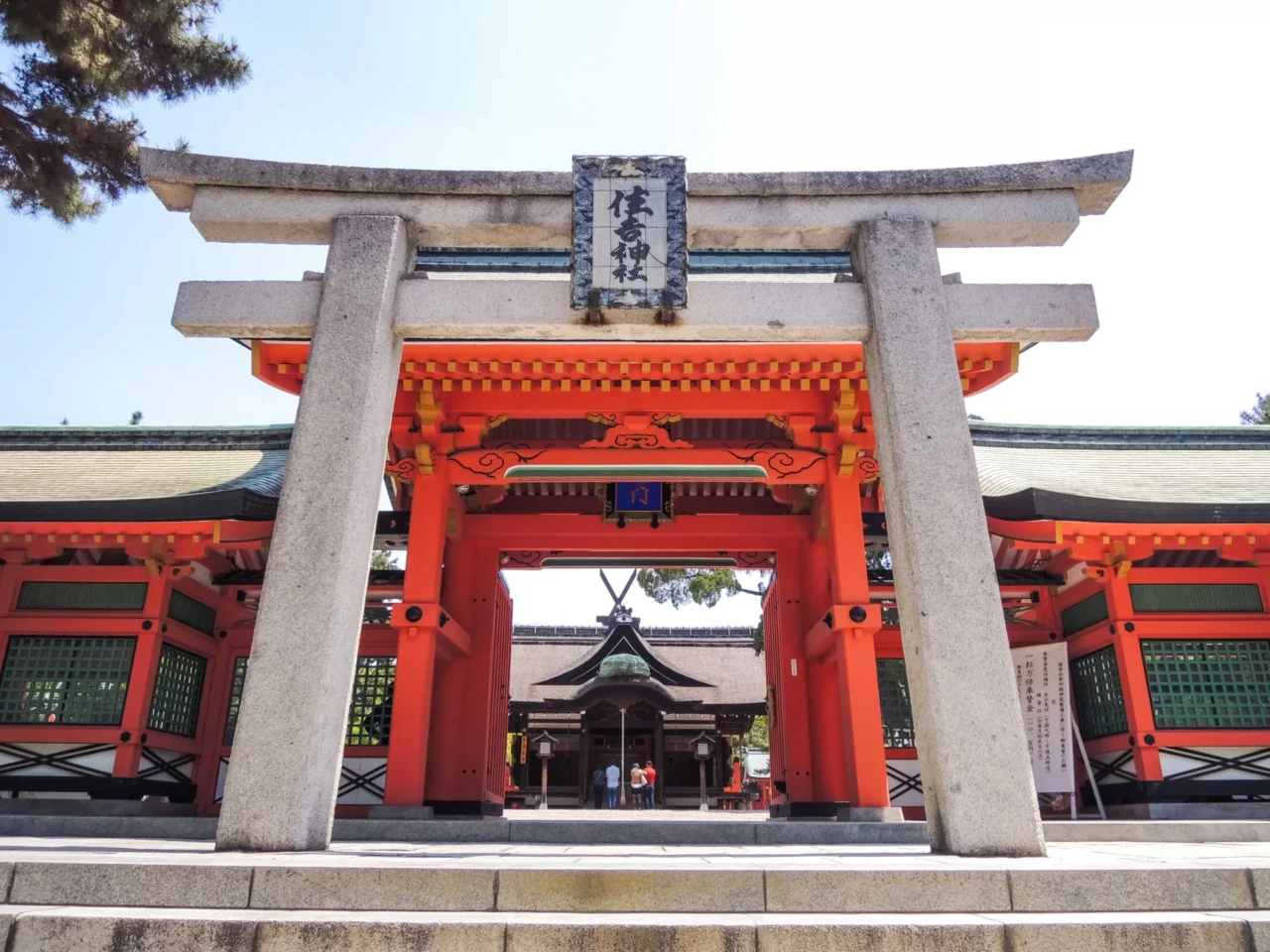
image source:photo AC
The head shrine of all Sumiyoshi shrines across Japan, famous for maritime protection. Every New Year, the “White Horse Ritual” is held, during which the sacred horse “Shirayuki-go” parades around the main shrines and runs through the grounds. Special limited goshuin and omamori are also available on this day, making it a popular spot to experience traditional rituals.
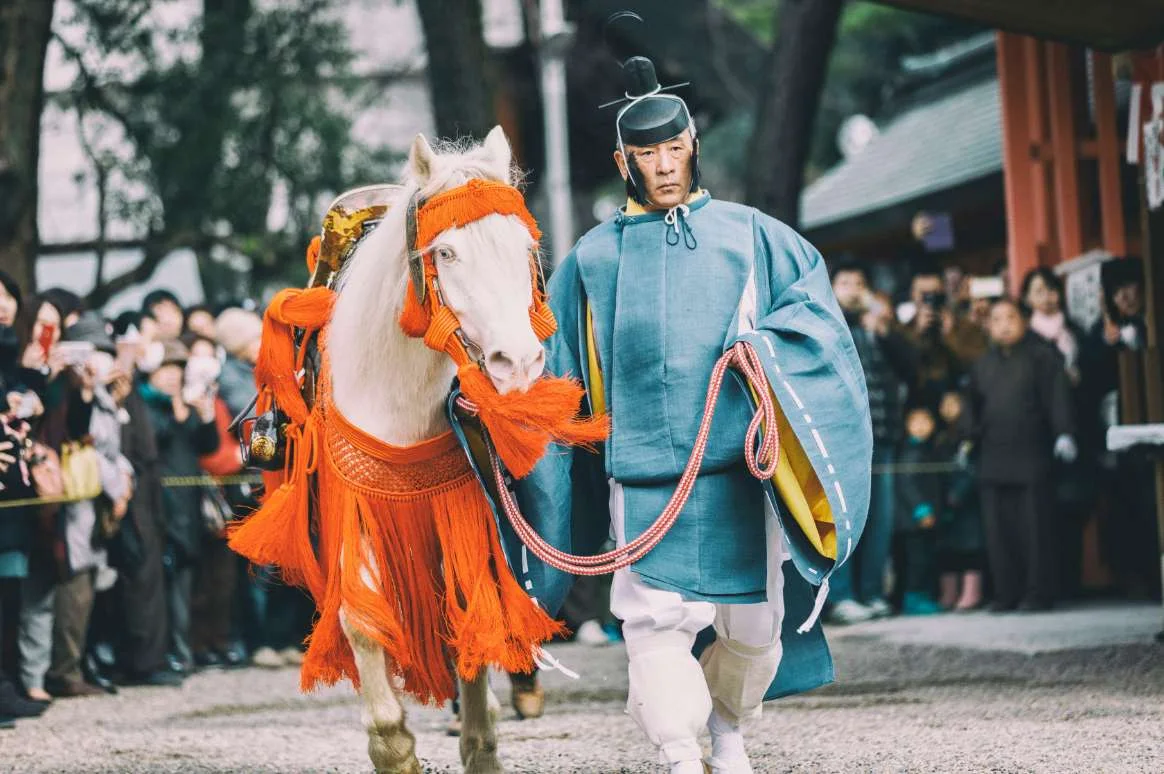
image source:Copyright © Sumiyoshitaisha. All rights reserved.
- Sumiyoshi Taisha
- Address: 2-9-89 Sumiyoshi, Sumiyoshi-ku, Osaka City, Osaka Prefecture
Nara Kasuga Taisha
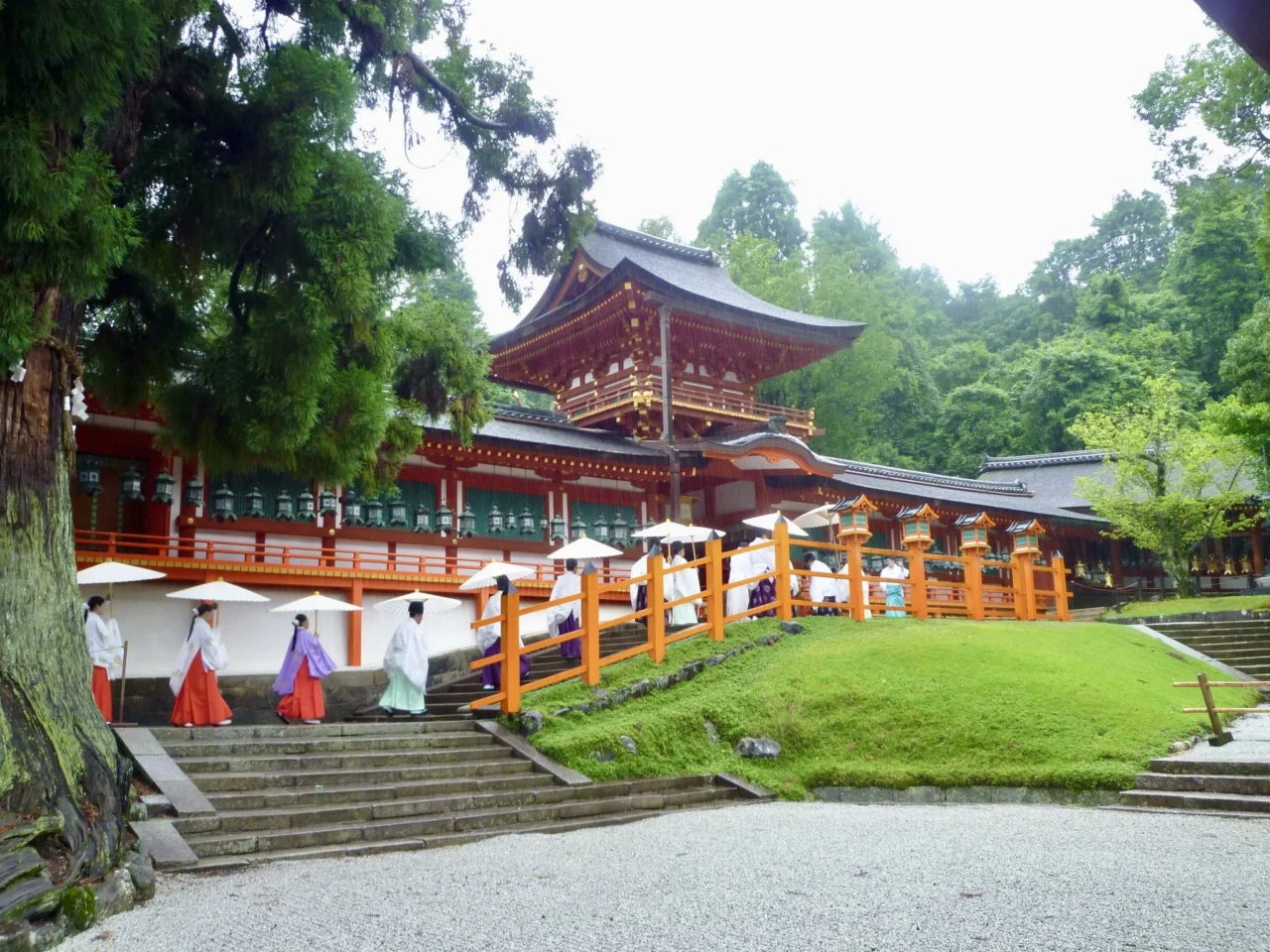
image source:春日大社
A historic ancient shrine famous for horse-related rituals. The Kasuga Wakamiya On-Matsuri held every December features portable shrines and horses in the procession, creating a magnificent spectacle. The “Kurabeuma” ritual has horses racing before the gods, symbolizing abundant harvests and horses as divine messengers. A White Horse Ritual is also held during the New Year, all showcasing the deep bond between horses and festivals.
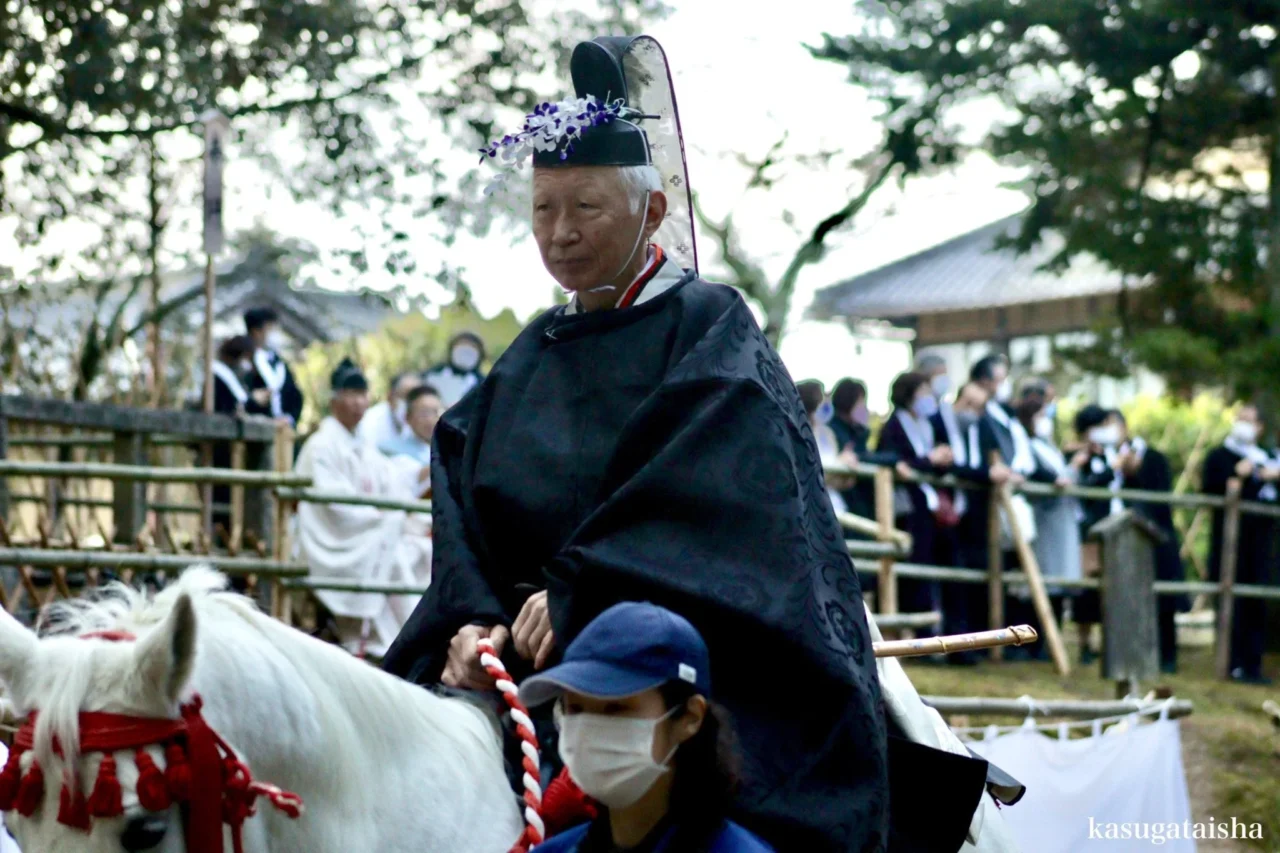
image source:春日大社
- Kasuga Taisha
- Address: 160 Kasugano-cho, Nara City, Nara Prefecture
Okayama Oura Shrine
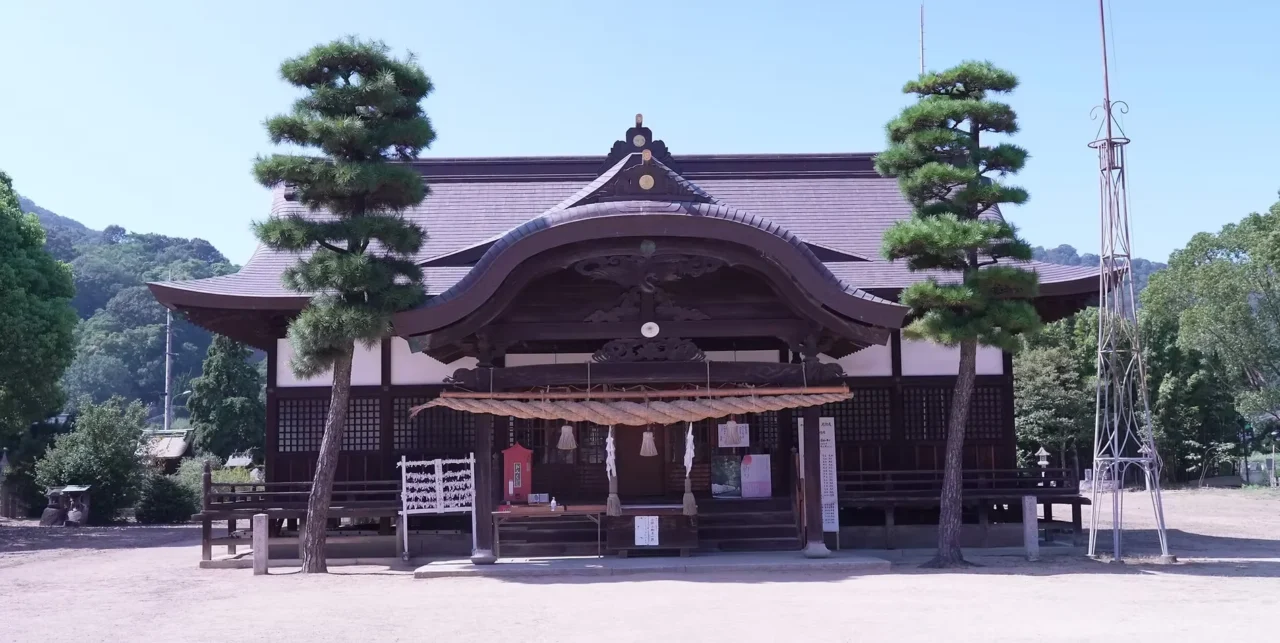
image source:Copyright © 2035 oourajinja
Famous for Japan’s only “Horse Racing Ritual.” The shrine buildings are among the largest in the prefecture, with the main hall, worship hall, and torii gate featuring exquisite carvings and designated as Registered Tangible Cultural Properties of Japan. During the autumn grand festival, two sacred horses race 12 laps around the grounds, symbolizing bravery, and the ritual is recognized as an intangible cultural property of the town. The shrine is also known for prayers for victory and traffic safety.
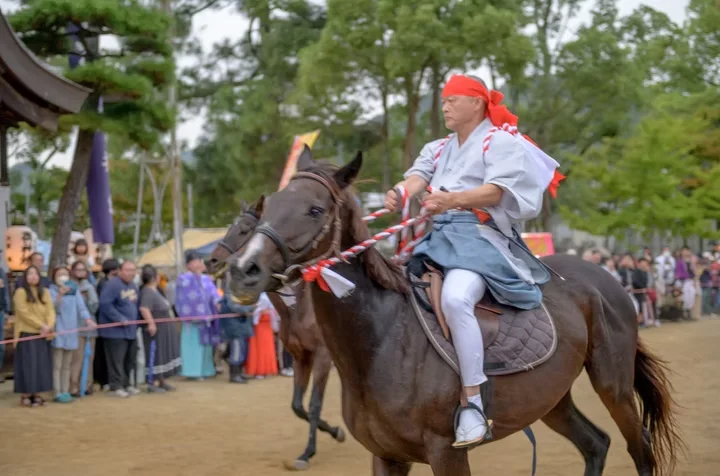
image source:Copyright © 2035 oourajinja
- Oura Shrine
- Address: 7756 Yorishima-cho, Asakuchi City, Okayama Prefecture
The year 2026 symbolizes galloping forward, breakthroughs, and progress. Whether you are praying for victory, career growth, traffic safety, or simply wish to experience Japan’s unique horse culture, these nine horse-related shrines are all well worth visiting.
When planning your next trip to Japan, consider adding a few of these shrines to your itinerary. Through worship, you can infuse the new year with good fortune and create unforgettable and special travel memories.